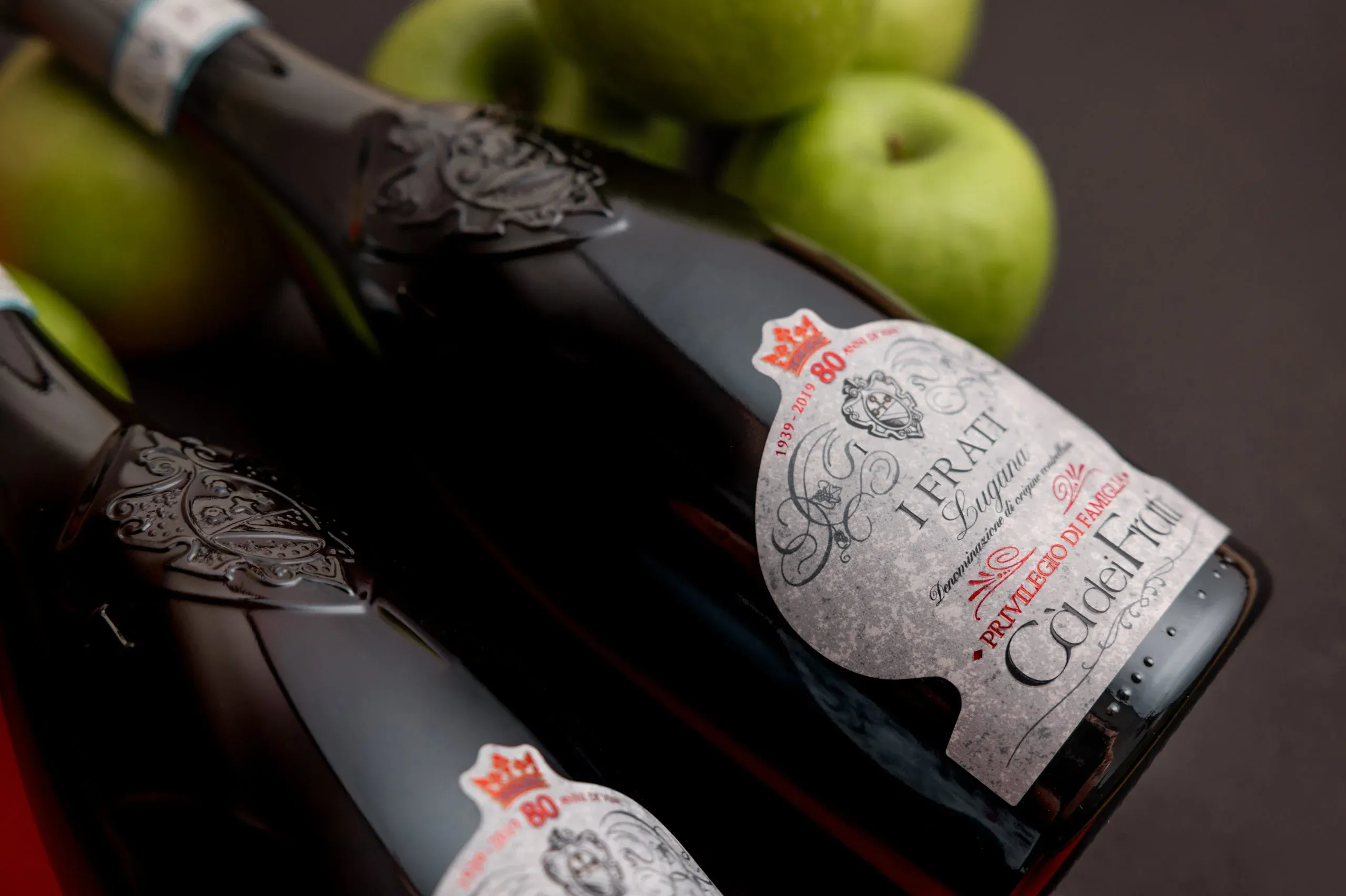
Lugana: a DOC wine from the Lugana di Sirmione area
Lugana DOC, the wine that made our land and our Ca’ dei Frati winery famous. After thirty years of work between the vineyard and the winery, it was in 1967 that people started talking about Lugana, the year the denomination was born – among other things the first Lombard DOC to be born in the region.

The Dal Cero family of Ca’ dei Frati has Venetian origins, when great-grandfather Felice and great-grandmother Edvige moved to the southern shores of Lake Garda in search of fortune after the First World War. They bought the estate here in 1939 and continued to do what they do best, with foresight: wine. His son Pietro then participated in the birth of the Lugana DOC in 1967, starting to bottle his first label of Lugana Casa dei Frati starting just two years later, in 1969. A look to the past and always one to the future, this is the secret of the 85 years of history of the Ca’ dei Frati winery and of our DOC.

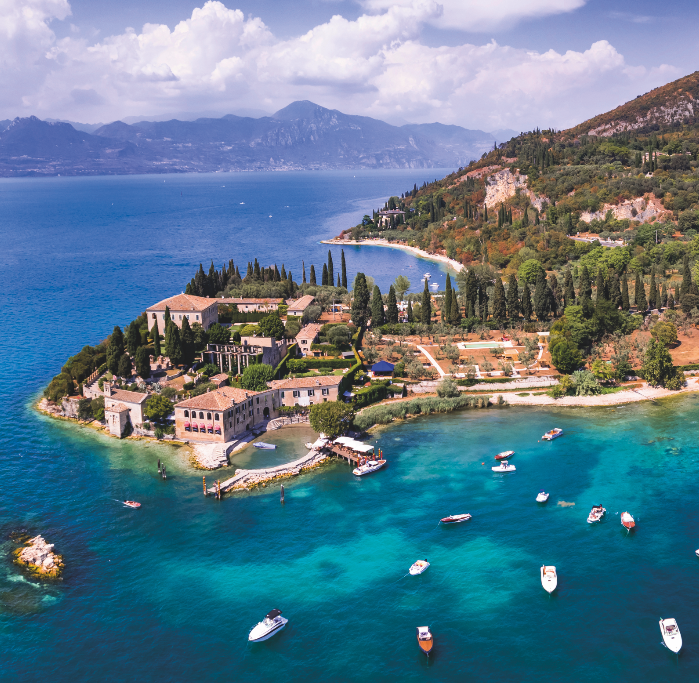
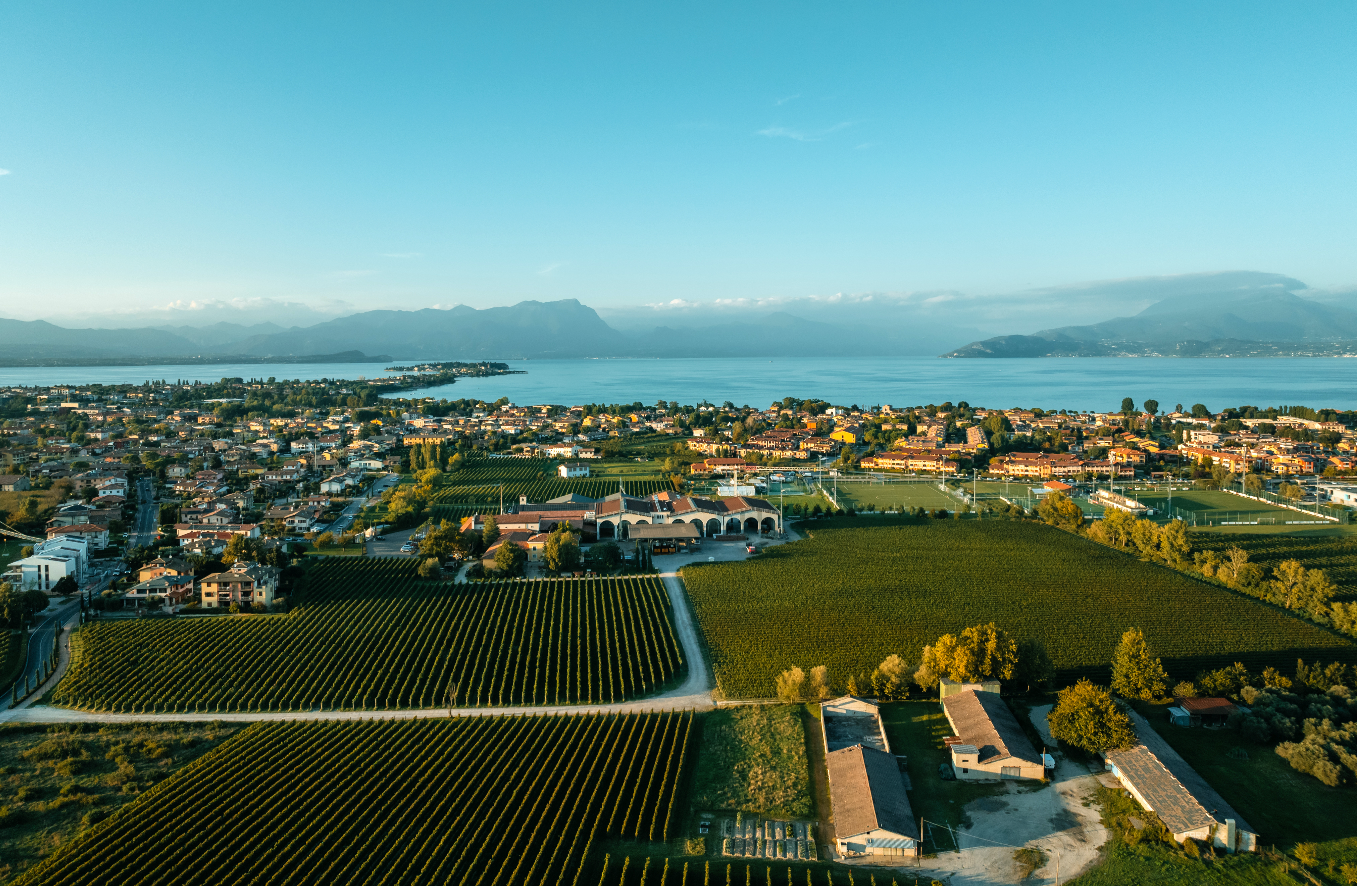
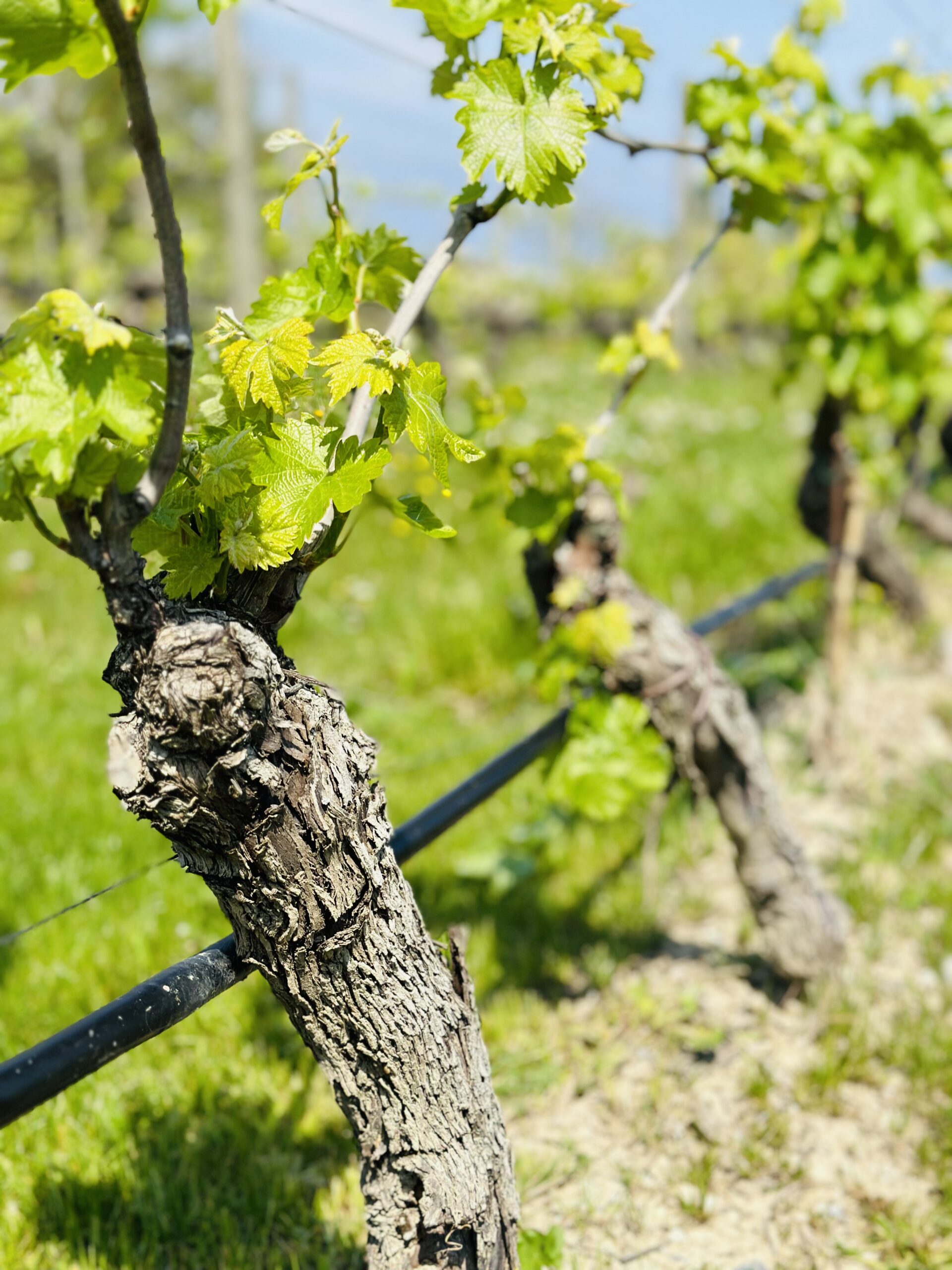
But now let’s see what territory we are talking about. Lake Garda is an unusual corner of the Mediterranean nestled between the Lombardy-Veneto Prealps: a calcareous, clayey and silty soil, combined with the wind and the mild climate contribute in a fundamental way to the production of Lugana DOC, this wine so exclusive and typical of our beloved area. It is precisely this combination of elements that allows us to obtain elegant and long-lived wines, with great mineral expression. Once upon a time the entire area was covered with woods and marshes: it was the Silva Lucana (hence the name Lugana, which also takes our hotel), populated by deer, fallow deer and wild boars. Thanks to the mild climate, today the area has a totally different appearance: in addition to the vine, olive trees, lemon trees, cedars, almond trees, agaves and palm trees flourish. The mild climate of Lake Garda is what gives life to such exclusive wines, such as Lugana DOC. The wind also plays a decisive role. In particular, the Pelér, which blows from north to south, generates temperature variations that allow for the production of grapes with great varietal expression; but also the Luganott, the wind that takes its name from the bay of Lugana. The lake essentially acts as a thermoregulator, creating an ideal microclimate, despite the territory being predominantly flat, with some vineyards even on the morainic hills with sandier soils. It is precisely in these areas that vines are grown with care and dedication.
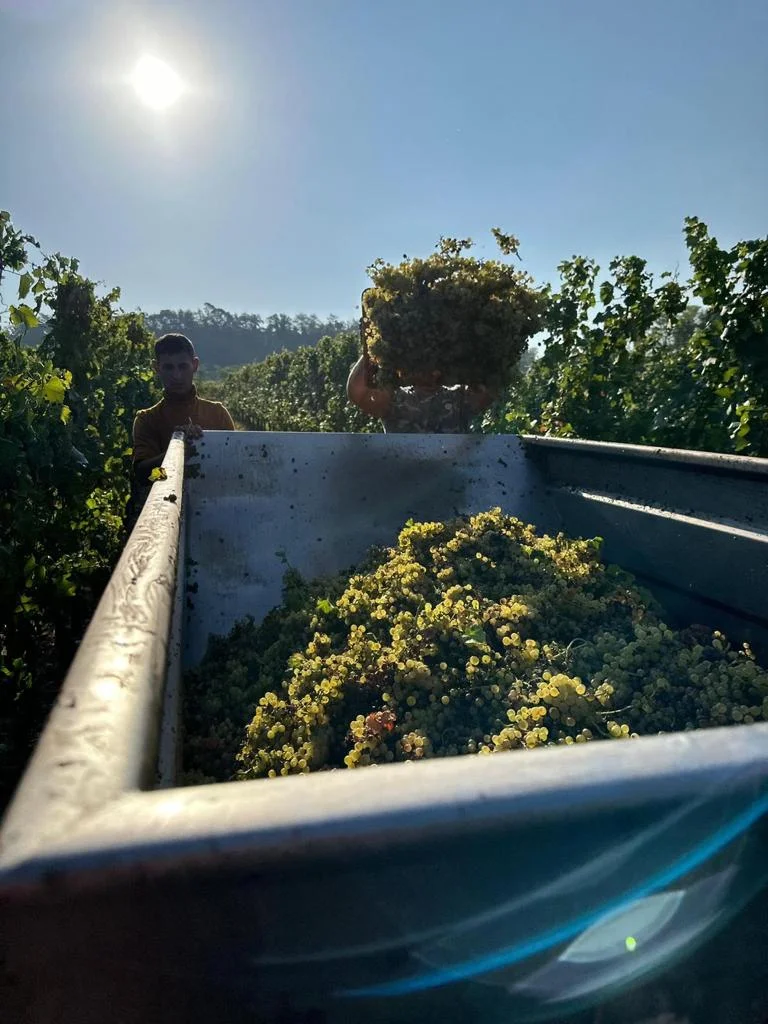
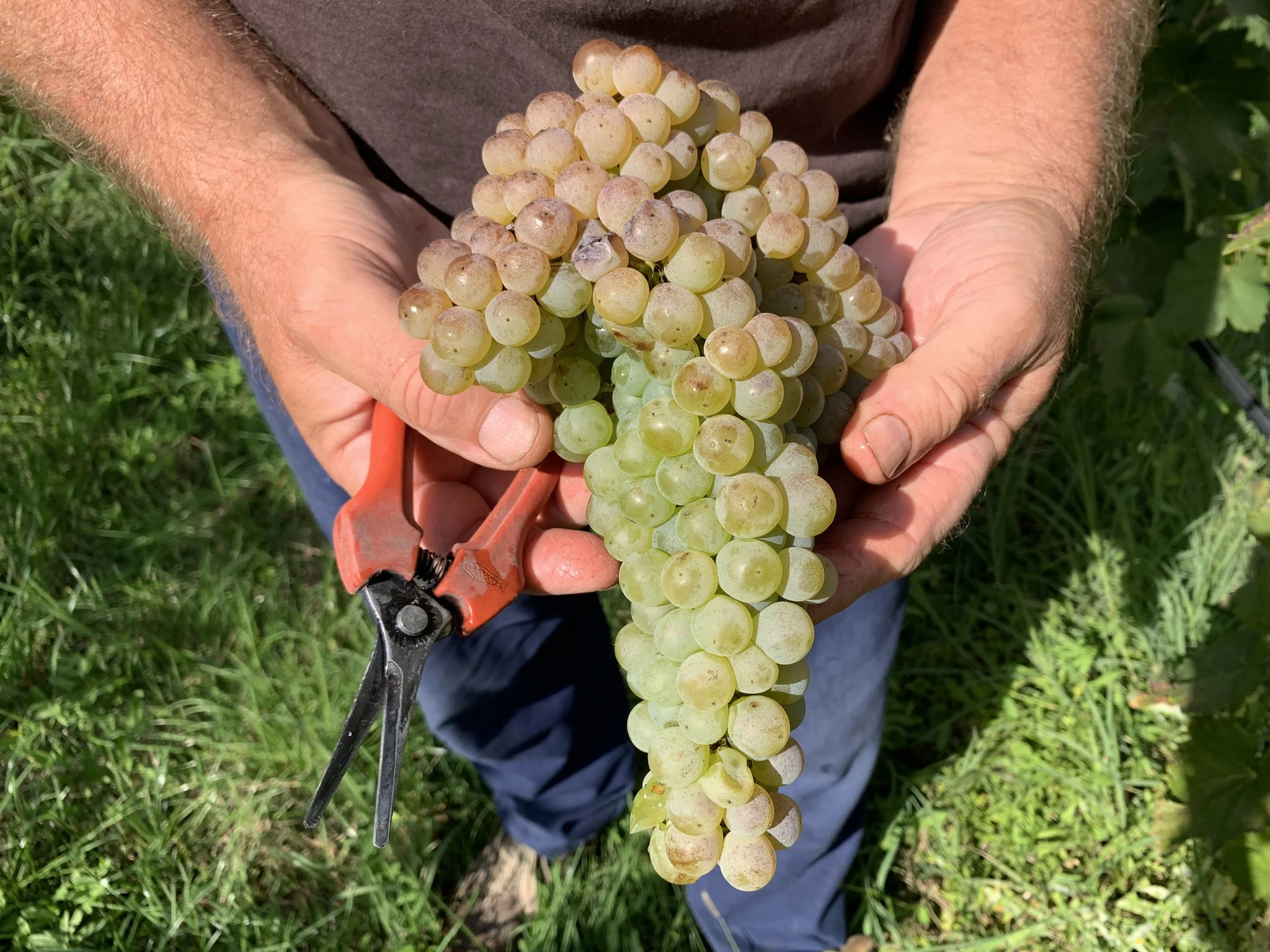
The grape variety used, Turbiana, is the native vine of the area and is part of the large family of Italian Trebbiano, a relative of Trebbiano di Soave and also of Verdicchio. Once vinified, this wine is fresh, linear, vertical and direct in its youth, endowed with great finesse and elegance with delicate notes of white flowers, white-fleshed fruit and hints of apricot. Originally conceived to be consumed in the vintage, it expresses its best part years after bottling: time allows it to evolve with greater determination the mineral notes, thus acquiring its complexity with hints of iodine, spices and candied fruit. This is what Ca ‘dei Frati offers with the name “Privilegio di Famiglia”.

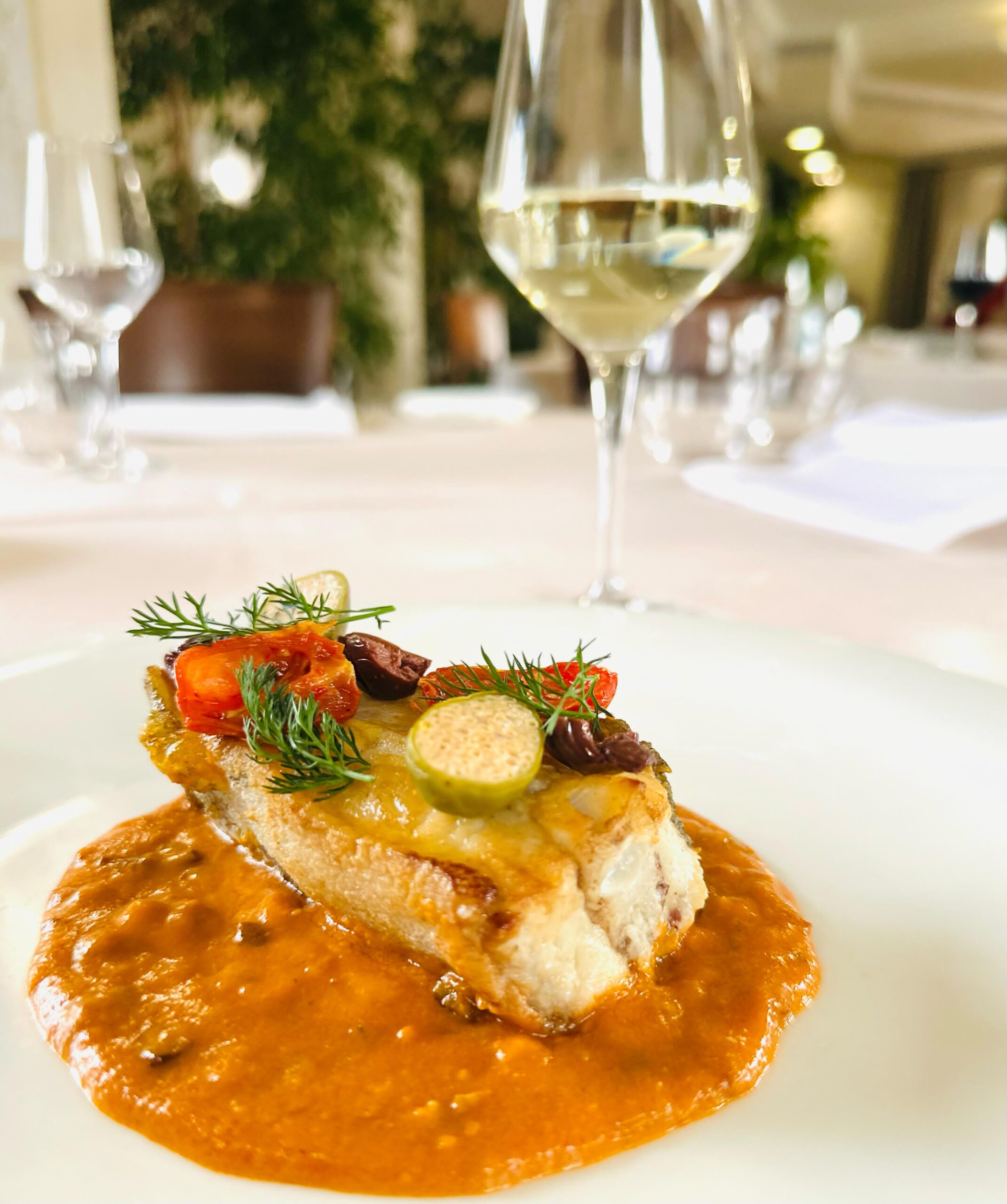
In the mouth it is capable of enveloping the entire palate thanks to an important savoury essence accompanied by lively and exuberant acidity. Lugana DOC is therefore perfect with cold or warm appetizers, but delicate, and accompanies steamed and grilled fish dishes. If Lugana DOC is a young wine that should be consumed within the year, which remains on fine yeasts for at least 6 months and is refined in the bottle for another 2, Lugana DOC Privilegio di Famiglia, on the other hand, is another expression of Lugana over time. This wine is refined in the bottle for 5 years and before that for at least 12 months on fine yeasts.

“Drink your Lugana young, very young and you will enjoy its freshness. Drink it two or three years old and you will enjoy its completeness. Luganas, a rare thing in wines, have an extraordinary ability to make themselves recognized.” – Luigi Veronelli

With these words we conclude this brief excursus on our prized Lugana Doc, the image of our area in Italy and in the world. If you want to find out more about the wines of the Ca’ dei Frati winery, you can find more information on: www.cadeifrati.it.

Categorie

Continue reading

What to see in the surroundings of Lugana?

The area of ​​the southern lower Garda lake has a lot to offer. After a nice breakfast at La Fenice with a handmade brioche and a cappuccino made on the spot (or we recommend our delicious tasting of handmade pastries to discover all the facets of our production!), you can head out to discover the surrounding area.

For those who love nature

We recommend the splendid green park called Parco Sicurtà in Valeggio sul Mincio – about 15km from La Fenice. For those staying at our hotel Lugana Parco al Lago there are discounts for couples and families. This park can be visited on foot or by bicycle and allows you to observe different types of flowers throughout the year – the tulip blooming is truly unmissable. Among the water lily ponds and topiary art, you can discover rare plants and flowers while relaxing in an intense and vivid contact with nature.

For those who love adventure

One of the most beautiful walks – treks on Lake Garda is the Busatte-Tempesta. It is not very close to the Fenice, but it is easily reachable with a half-hour drive. There is a convenient parking lot right at the beginning of the path. The duration, variable according to the pace, is about an hour and a half and includes panoramic points, some stops for photographs and also stairs, quite long and in some places a little steep. However, it is a well-maintained path and also suitable for children. This is a different way to see Lake Garda, from an incredible perspective that will truly leave you breathless.

For those who love history

Lake Garda is rich in history and culture, to be discovered and visited as a couple, with friends or with the family. A truly interesting place for the history of the unification of Italy is the monument dedicated to Vittorio Emanuele II, the so-called Torre di San Martino della Battaglia. It stands in the middle of the battlefield, now a protected park and completely covered with Turbiana vines, the native grape variety for the production of Lugana Doc. You pay an entrance fee to access the tower, but it also includes a visit to the museum next door which contains various nineteenth-century finds relating to the battle of San Martino and Solferino, which is also told in school textbooks. The climb up the tower is a bit steep in places, but the view from the top is worth the effort: in fact, it opens up a 360-degree panorama of the southern area of ​​the lake and on the clearest days you can even see the Villa del Garda with its neo-Gothic spires.


For those who love food and wine

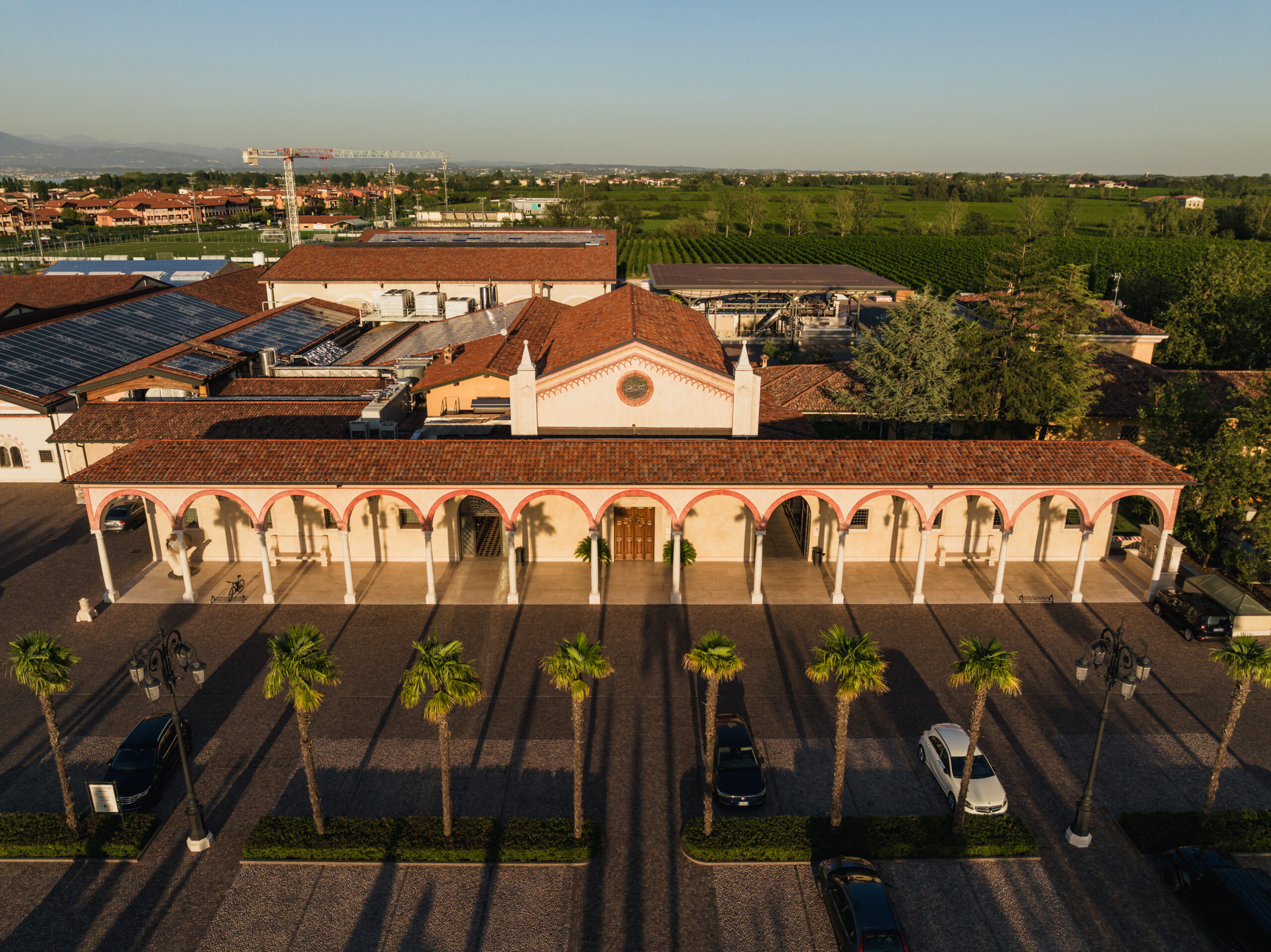
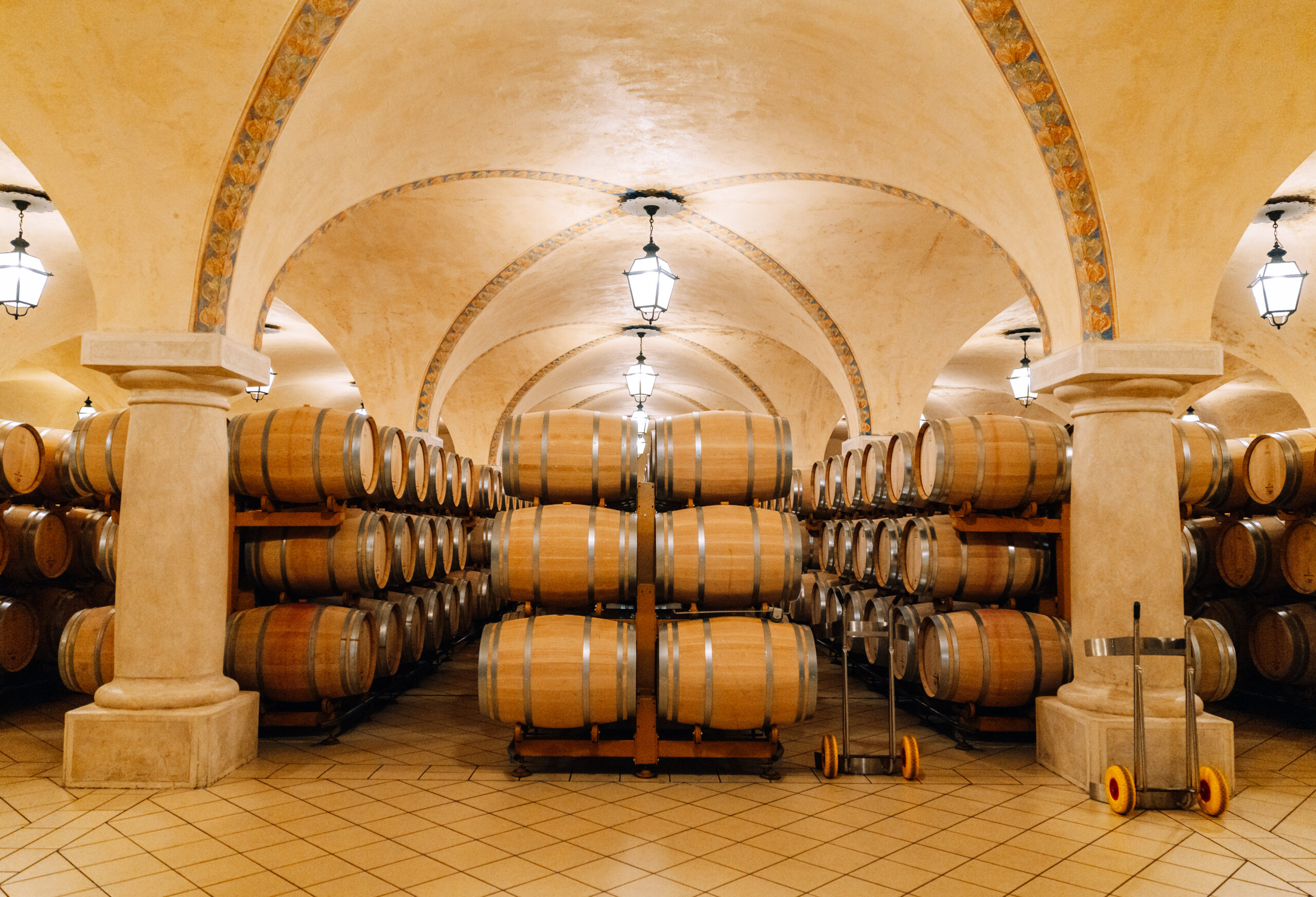
For those who want to deepen their knowledge of typical local products, first and foremost the Lugana Doc wine, a visit to our Ca’ dei Frati winery is a must. The company, known since 1700 as an agricultural estate, has a much longer history that began with the activity of the Discalced Carmelite friars of the order of Santa Maria de Senioribus who produced wine for mass. Ca’ dei Frati also saw the birth of the Lugana Doc: among the signatories of the first specification was Pietro Dal Cero, founder of the winery. Special weekend visits are planned that also include lunch or dinner on the lake in our restaurant (La Lugana Trattoria).

More information here: https://caffetteriapasticcerialafenice- onlineshop.it/products/amarone-experiencevoucher-con-data-chiusa.

CATEGORIES

Continue reading

Discovering the historic villas on Lake Garda: a journey through art, history and nature

Lake Garda is not only a treasure chest of natural wonders, but also a territory rich in history, art and architecture. Among its hills and along its shores are hidden magnificent historic villas, noble residences that tell centuries of elegance, culture and good living. If you stay in our hotel Lugana Parco al Lago & Wine Hotel on Lake Garda, we recommend you take a day (or more!) to discover these gems between the two provinces of Brescia and Verona.

Villas to Visit on the Brescia Shore

  1. Villa Bettoni – Bogliaco di Gargnano
    A masterpiece of Lombard Baroque overlooking the lake. Villa Bettoni is one of the most fascinating historic homes in the area, with terraced gardens, neoclassical statues and 18th-century frescoes. Still inhabited by descendants of the Bettoni family, the villa can be visited by appointment.
  2. Villa Alba – Gardone Riviera and the Vittoriale
    Elegant and majestic, Villa Alba is a perfect example of neoclassical style. Often the site of events and weddings, the villa can be visited during cultural events. But absolutely not to be missed is the nearby Vittoriale degli Italiani, the home-museum of Gabriele D’Annunzio, a place full of charm and symbolism, where the story of the Poet is told between the house and the gardens.
  3. Villa Fenaroli – Rezzato (a few km from the lake)
    A little further inland from Brescia, but easily accessible, Villa Fenaroli is an authentic 18th-century palace. Today it is home to a hotel and conference centre, but it retains its original splendor and is often open to the public for guided tours.

Historic Villas in the Verona Area

  1. Villa Borghese Cavazza (Garda Island)
    Located on a private island, this villa is a true pearl set in the waters of the lake. Owned by the Cavazza family, the villa can be visited with boat tours also organized from the Sirmione peninsula and offers a breathtaking view and dream gardens with a unique and particular microclimate. One of the most exclusive experiences of Garda!
  2. Villa Mosconi Bertani – Negrar (Valpolicella)
    For those who love combining art and good wine, this villa in the heart of Valpolicella (half an hour from the lake) is unmissable. In addition to its architectural beauty, it offers tastings of fine wines and visits to the vineyards. It is considered one of the cradles of Amarone.
  3. Villa Pellegrini Cipolla – Tregnago
    Another splendid Venetian residence, famous for its frescoed halls and centuries-old park. It is often the venue for cultural events and summer concerts.

Extra Tips

  • If you are traveling in the spring or summer, many villas open their gardens to the public with special events and guided tours.
  • Some villas offer unique experiences such as picnics in historic parks, sunset concerts, or wine tours. Check the websites for activities you can do!

How to Organize Your Visit

Many of these villas can be easily reached from our hotel by car or by day trips (just let us know and we will book a taxi for you). Our staff will be happy to help you with reservations, directions or personalized suggestions based on your interests.

Categories

Continue reading

The flavors of lake Garda: what does this area of ​​Italy have to offer?

Lake Garda, the largest lake in Italy, is not only an enchanting tourist destination for its breathtaking landscapes and its always mild climate, but also a land rich in food and wine traditions. Thanks to the particularly favorable climatic conditions, the area surrounding the lake offers a variety of unique typical products, including extra virgin olive oil, fine wines, famous citrus fruits, lake fish and artisanal cheeses. During your stay at our Hotel Lugana Parco al Lago & Wine Hotel, we invite you to discover these authentic flavors and immerse yourself in the Garda culinary experience.

Extra Virgin Olive Oil D.O.P.

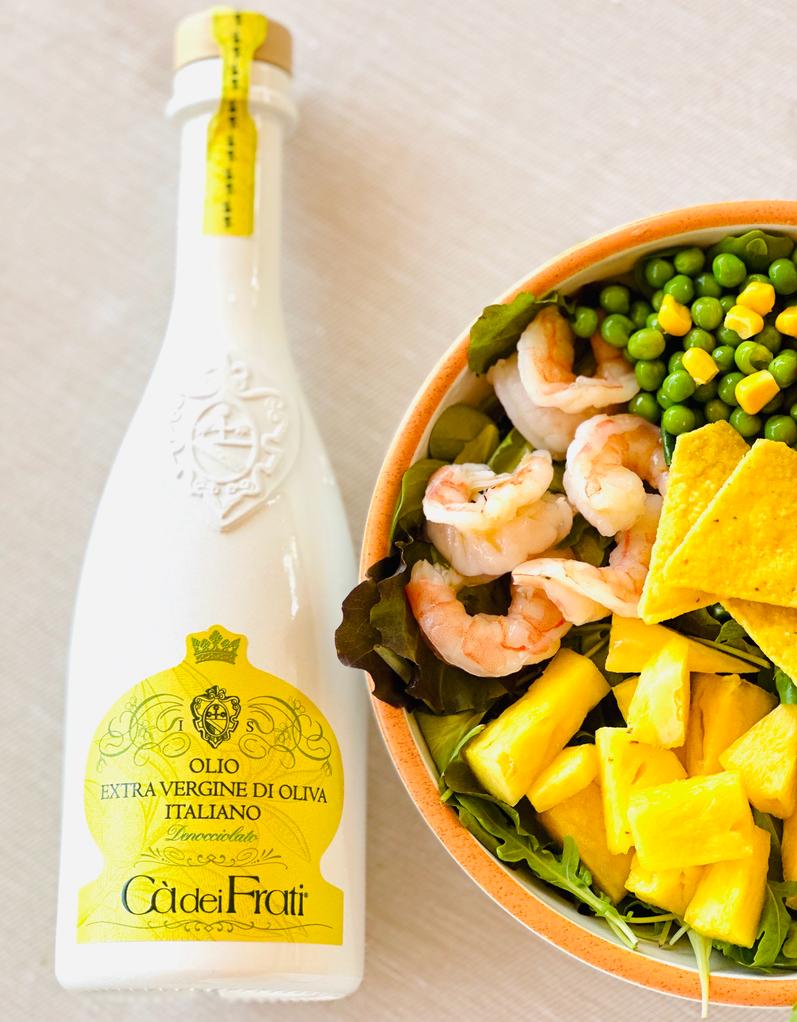
Lake Garda is the northernmost olive oil production area in Europe. The mild climate and the hilly moraine terrain allow us to obtain an extra virgin olive oil with a delicate and fruity taste, with light notes of almond and artichoke, and medium spiciness. The quality of Garda oil is recognized with the D.O.P. “Garda” designation, which certifies its origin and traditional processing. Ideal for seasoning salads, carpaccio and fish-based dishes, Garda oil is a true jewel of local gastronomy. Our winery Ca’ dei Frati also produces an extra virgin olive oil, with fine, elegant aromas with high acidity and good spiciness.

The wines of Garda

The hills surrounding the lake are covered with vineyards that produce high quality wines, appreciated both in Italy and abroad. Among the most famous are:

  • Bardolino: a light and fruity red wine, perfect to accompany white meat dishes and first courses.
  • Bardolino Chiaretto: a rosé variant with a fresh and delicate taste, ideal for an aperitif.
  • Lugana DOC: an aromatic and mineral white wine, excellent with lake fish.
  • Groppello: typical of Valtenesi, it is a soft and spicy red wine, perfect with local cured meats and cheeses.

Numerous local wineries offer tastings and guided tours, allowing visitors to discover the secrets of wine production, in particular Ca’ dei Frati offers free guided tours during the week and special events when the winery is closed on weekends. You can combine the experience in the cellar with a gourmet menu on the lake in one of our establishments: La Lugana Trattoria or La Fenice Bistrot.

The citrus fruits of Garda

Thanks to the favorable microclimate and so particular and specific to the area, citrus fruits such as lemons, oranges, grapefruits and mandarins are grown on the shores of the lake. The tradition of citrus fruits is evidenced by the ancient lemon houses, stone structures with high walls that protect the trees from the winter cold. Among the most famous is the Limonaia del Castel in Limone sul Garda, which offers a fascinating journey into the history of this cultivation. It is worth a visit to admire the lake from a different point of view and discover the territory with its most typical characteristics.

Torbole Broccoli

A unique gastronomic excellence is the Broccoli di Torbole, grown in the northern area of ​​the lake, in Trentino. This vegetable, characterized by a sweet and delicate flavor, grows thanks to the influence of the wind called “Ora del Garda”, which creates an ideal microclimate for its growth. It is often served boiled, seasoned with Garda olive oil and accompanied by typical fish or meat dishes.

Lake fish

Lake Garda offers a wide variety of freshwater fish, protagonists of the local cuisine, especially in the past. Among the most popular today are:

  • Lavarello: a light and delicate fish, often served grilled or marinated.
  • Coregone: similar to the lavarello, it is ideal for the preparation of tartare and carpaccio.
  • Pike: typical is “luccio in salsa”, served with polenta.
  • Lake sardines: used for the traditional “carpione”, a dish marinated with vinegar and onions.

The restaurants in the area offer numerous traditional recipes based on lake fish, accompanied by local wines. At La Lugana Trattoria you will find a menu entirely dedicated to lake fish, paired with Ca’ dei Frati wines, for a 360-degree gastronomic experience.


Cheeses and cured meats

The hilly and mountainous areas around the lake are ideal for the production of artisanal cheeses and cured meats. Among the most renowned are:

  • Formagella di Tremosine: a soft cheese with a sweet and delicate taste.
  • Monte Baldo: a mature cheese with a strong flavor.
  • Salame Morenico: produced in the morainic hills of Garda, it has a spicy and intense flavor.

Many local mountain huts, especially on Mount Baldo, offer tastings, allowing visitors to savor these products accompanied by honey and artisanal jams. At our Bistrot La Fenice, don’t miss a platter of zero-mile cured meats and cheeses, where you can taste many typical artisanal products of the finest quality, selected by our chef Edo.

Discovering the typical products of Lake Garda means immersing yourself in a centuries-old tradition made of authentic and genuine flavors: this is what we try to make you experience during your stay in our facilities, an authentic and genuine experience. During your stay in our hotels, we recommend you visit the local cellars, lemon groves and mountain huts, taking part in tastings and festivals dedicated to local products. We look forward to seeing you for a food and wine journey among the excellences of Lake Garda!

Categories

Continue reading

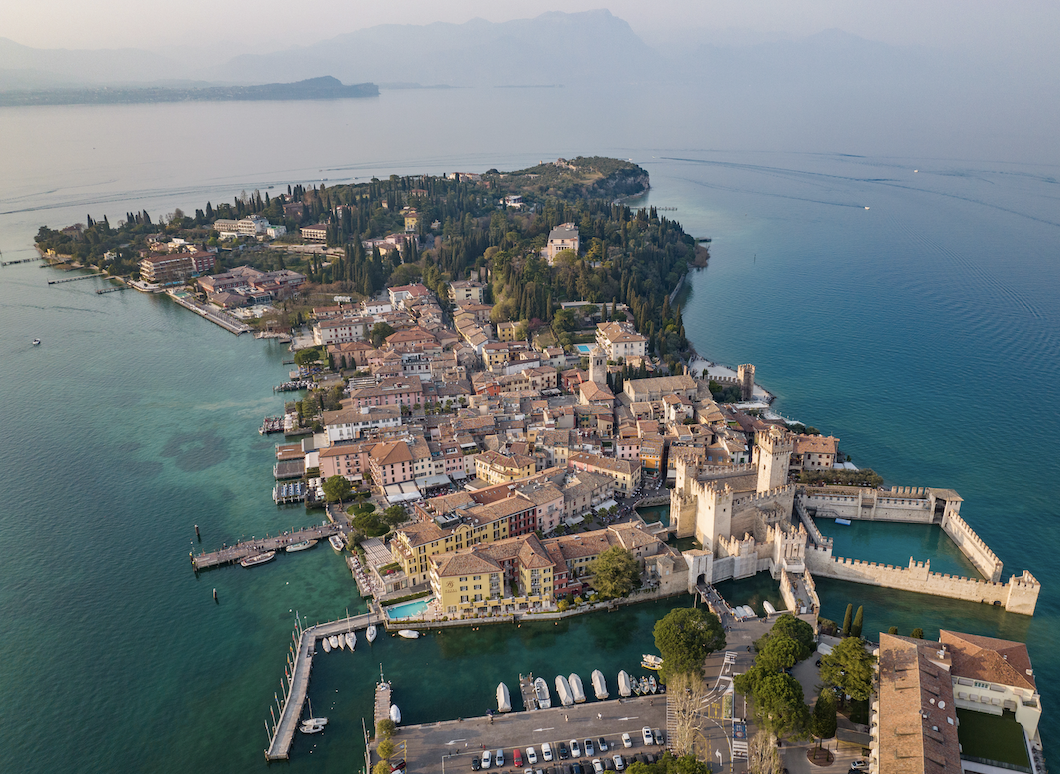
What to see in Sirmione in one day

I nostri consigli da local per scoprire il territorio partendo dal nostro hotel a Lugana di Sirmione Sirmione, perla del Lago di Garda come viene definita dal poeta latino Catullo, offre ai visitatori una combinazione unica di bellezze naturali, storia millenaria e cultura affascinante. Ecco una selezione di alcune attrazioni imperdibili che renderanno indimenticabile il vostro soggiorno.

1. Scaligero Castle

This imposing 13th-century fortress, surrounded by the waters of the lake, is one of the best-preserved examples of a lakeside castle in Italy. The peculiarity is that the village of Sirmione extends right past the drawbridge at the entrance to the castle, thus making Sirmione an island in the past. Its crenellated towers and the drawbridge offer a breathtaking panoramic view of the Sirmione peninsula.
Not to be forgotten: a visit to the ancient church of Sant’Anna al ponte, the mother of Mary, right at the entrance to the bridge. Here, merchants who entered the peninsula in the Middle Ages used to stop for a few moments for a prayer, trying to make trade propitious. The church inside is baroque with two 16th-century frescoes made by local artists: they depict Santa Lucia holding her eyes on a saucer and Sans’Alò, protector of markets and trade.

2. Grottoes of Catullus

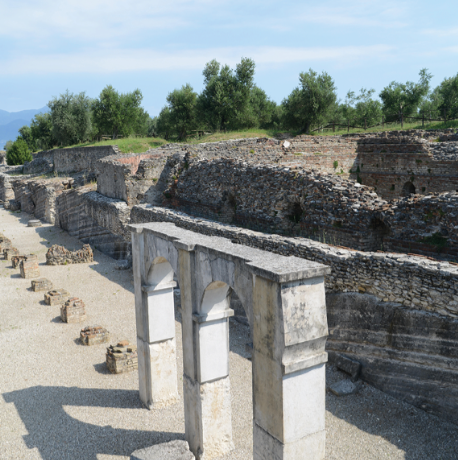
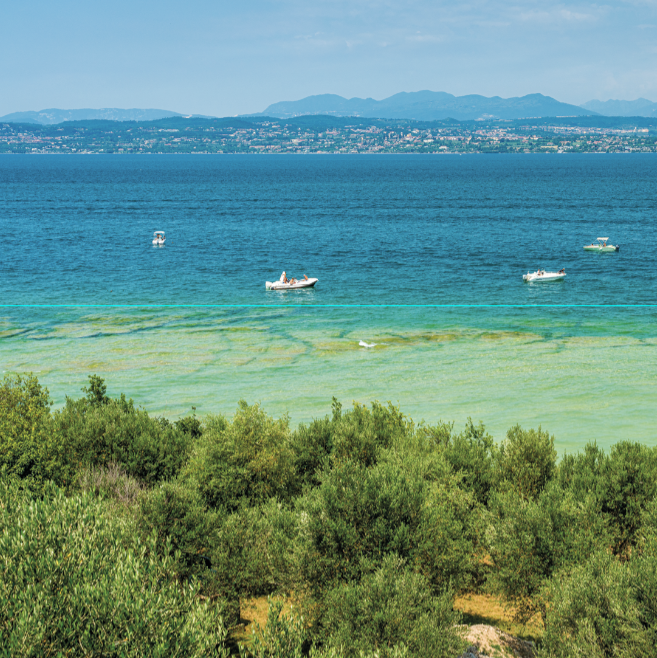
At the end of the peninsula that extends into Lake Garda are the remains of a large Roman villa from the 1st century AD, mistakenly attributed to the poet Catullus (a villa earlier than the one visible today probably actually belonged to the poet’s Veronese family). This archaeological site, surrounded by centuries-old olive groves, bears witness to the grandeur of Roman architecture on Lake Garda and offers suggestive views of the lake.
Not to be forgotten: the observation of the underground cistern in the center of the olive grove, made with a stone that allowed the water to drain so as to collect as much water as possible to feed the thermal system present in the villa – in fact, the water was not taken from the thermal source about 200m from the coast in the Lido delle Bionde area; the thermal water in Sirmione was discovered much later in 1900 when the diver Palumbo cooked some eggs during a dive to demonstrate the temperature at which the water came out.

3. Church of San Pietro in Mavino

Situated on one of the three hills of the peninsula, this church dating back to the 8th century is surrounded by vineyards and olive groves and a Lombard cemetery that is now invisible. Inside you can admire frescoes dating from the 12th to the 16th century, while the Romanesque bell tower, built in 1070, adds a further touch of historical charm.
Don’t forget: head towards the high altar, on the left there is a panel of frescoes torn from the wall. Where Saint Michael, the warrior saint, is depicted, against the light you can see some signatures: they are ancient and date back to the passage of the Lanzichenecchi. On the wall on the right instead, in another fresco torn from the wall, there is a rare representation of Saint Anna Metterza, depicting the three generations: Saint Anna, mother of Mary, the Madonna, who in turn holds baby Jesus in her arms.

4. Church of Santa Maria della Neve

Also known as Santa Maria Maggiore, this 15th-century church stands in the heart of the historic center. The terracotta façade and five-arched portico lead to an interior full of votive frescoes and wooden works, including a rare wooden statue of the Madonna enthroned that is said to have been miraculously found in the waters of Lake Garda in front of Sirmione. The interior frescoes all date back to the 16th century and were created by local Lombard-Venetian craftsmen.
Don’t forget: at the entrance on the right, after a few steps, you will find two important figures. The lion of San Marco with its waving tail pointing upwards, a symbol of the stable relations between Sirmione and the Republic of Venice; a little further on, a giant human figure fills the entire wall: it is San Cristoforo, from the Greek “bearer of Christ” who is depicted small on his shoulders, thus making him cross the waters (the word pesce in ancient Greek is in fact the anagram of the name of Christ) full of fish, without difficulty. Saint Christopher was also the saint of the “good death” that everyone ingratiated themselves with first upon entering the church, which is why he was the most visible saint of all.

5. Jamaica Beach

This unique beach, characterized by slabs of limestone rock that emerge from the crystalline water of Lake Garda, offers an out of the ordinary bathing experience. An ideal place to relax and enjoy the natural beauty of the lake. It is a swimming spot without services: it is therefore advisable to bring everything you need and to pay attention to the seabed that can suddenly become deep. The name Jamaica was given by the locals for the particularly clean and crystalline waters reminiscent of those of the Caribbean. In periods when the lake is low, it is possible to walk along the beach thus doubling the Sirmione peninsula at the point where it extends most into the lake.
Don’t forget: to get to this point you can walk along a path directly on the lakeside, very beautiful and relaxing. You will reach a technical plant of the Sirmione spa under which there is a small terminal basin of water with the classic smell of sulfur. Although hordes of tourists bathe here believing they have found the natural origin of Sirmione’s hot water, in reality it is a waste water from the spa itself.

+1 tip: Villa Callas

The summer residence of the famous soprano Maria Callas in the 1950s, this elegant villa represents a piece of musical and local history. Although not open to the public, its façade and surrounding gardens evoke the charm of a bygone era. Legend has it that Callas, in love with Sirmione and its lake, wanted to build a swimming pool in the shape of Lake Garda.

CATEGORIES

Continue reading

Walks around the Fenice

Two proposals for a few hours by the lake

Starting from “La Fenice”, after having enjoyed a good coffee by the lake or after a tasty meal at our Bistrot, we recommend two interesting routes for a simple but relaxing walk:

  • Direction Peschiera: the fisherman’s house
  • Direction Sirmione: historic center

Towards Peschiera: the fisherman’s house

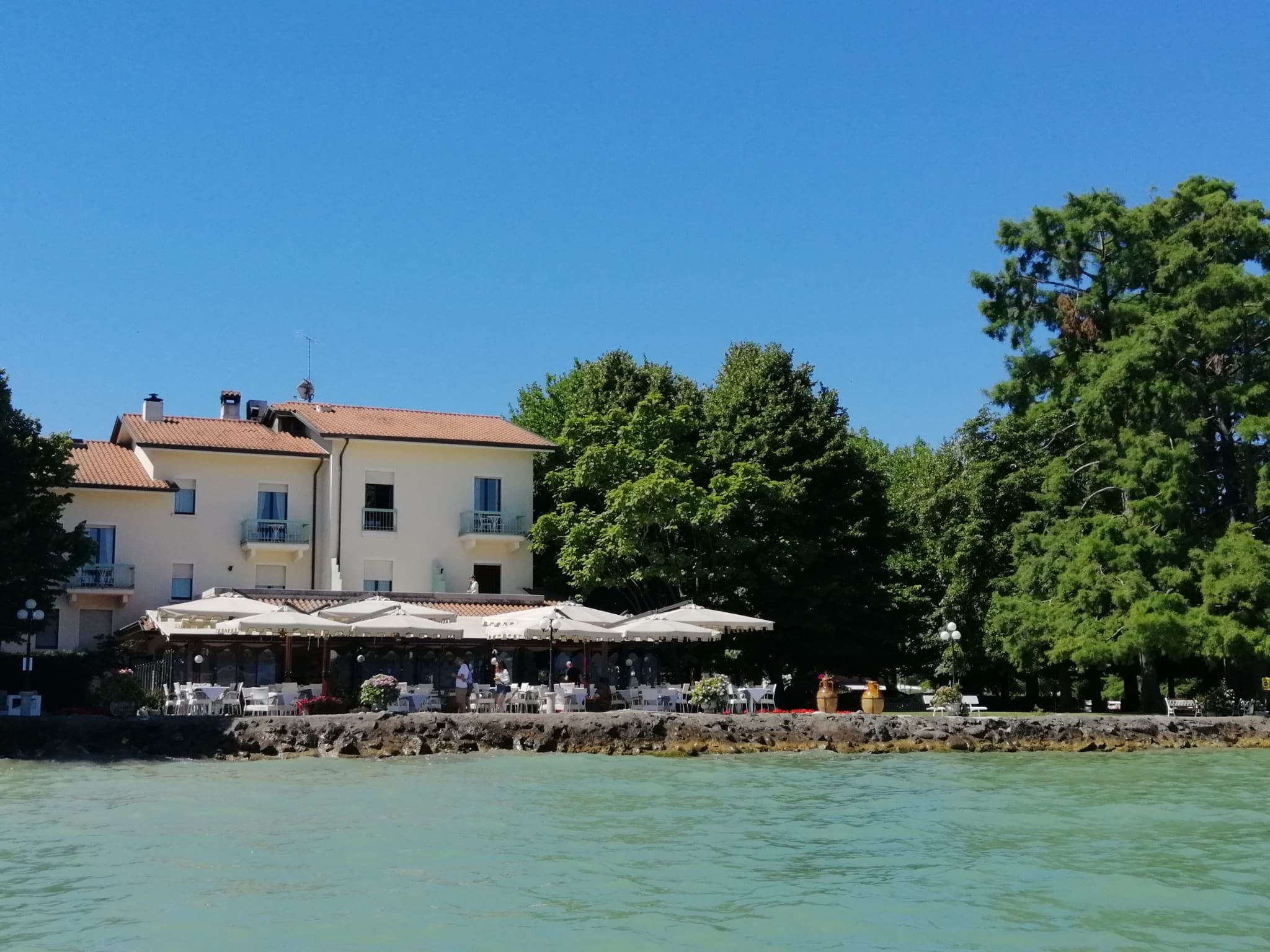
Looking at La Fenice, head towards Peschiera, then right, passing behind the church of Santa Maria di Lugana and continuing along the lake. 

It is a completely pedestrian area that runs along the lake shore, recently renovated. For any small children it is good to pay attention to the fact that it is possible to get access directly to the lake without barriers. 

This walk is also great with pets.

Continue towards Peschiera passing on the wooden piers, the first and longest one crossing a reed bed (look to the left and take a photo on sunny days!), the second and shorter one crossing a “Ganfo”, which is one of the water opening into the lake from inland.

At this point you will find a house entirely painted by some street artists, created thanks to a project in cooperation with the municipality of Sirmione. We continue along the walk dedicated to Margherita Hack (perhaps because in the evening, without street lights, from here you can enjoy a beautiful starry sky, crowned by small lights on the opposite coast of the lake). At the end of this avenue, which has a large green park on the right and the lake on the left, there is the fisherman’s house.

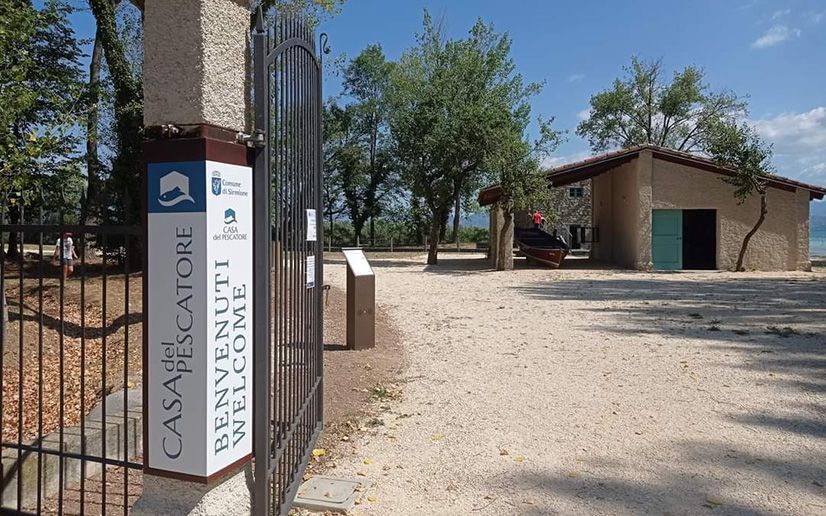
The fisherman’s house is a magical and little-known place in the municipality of Sirmione; recently inaugurated after a deep renovation, to make it a museum open to the public, the house can be visited in the morning and contains historical evidence of one of the most practiced activities in Sirmione in the last century: the fishing. Through the words of a fisherman we retrace the daily life of the house that actually belonged to a local fisherman.

Inside you can find more details for the visit. In addition to the historical interest, from here you can enjoy an exceptional view of the Sirmione peninsula: the colors of the lake and the nature of this corner of the world can provide the necessary relaxation after a long week of work. There is no shortage of benches for short breaks, all overlooking the lake.

If you want to continue further, you will find a public pier on the left that leads through the reed bed towards the lake, from here you can take beautiful photos or relax for a few minutes in the peace of nature.

The walk is approximately 2-3 kilometers long.

Direction Sirmione: historic center

Looking at La Fenice, in this case instead we proceed to the left towards Sirmione. The first part of this walk includes a pavement intended for pedestrians and bicycles, but once you have passed the Migross supermarket, which remains on the left, you can take a pedestrian street on the right which runs directly along the coast.

It is right here that you can make a first stop and read the curious panel that tells of the prehistoric stilt houses, a UNESCO heritage site, which were found on the lakebed of the Lugana Vecchia area and today still there protected lie.

Continuing along the lake you will reach Porto Galeazzi, a small port that connects the pedestrian street with the road for cars that leads directly to the peninsula in the direction of Sirmione. At this point the road towards the castle became the only one available but constantly equipped with a pavement enabling people to reach the historic center on foot.

Continuing in this direction you will find on the right a small clearing where you can relax for a few minutes with some benches overlooking the lake and a century-old plant recognized with a plaque from the municipality of Sirmione. From here the center is no longer far away and to enter the historicity of this place it is necessary to cross the ancient drawbridge of Sirmione scaliger castle and immerse yourself in a medieval atmosphere.

We recommend avoiding the central road of the town bordered by very touristic places and taking an immediate right going around the castle (which is still worth a visit, even if the interior is empty, for a photo up from above the main tower which shows the peninsula and the ancient dock). From here, Via Antiche Mura shows the first houses built in the village, fishermen’s houses near the castle dock, which date back to the Middle Ages.

Continuing slightly uphill you arrive at the church of Santa Maria della Neve, which we recommend visiting for the sixteenth-century frescoes it preserves, created by Lombard-Venetian painters. If you then pass behind the church, you will notice on the right a beautiful little lakeside garden of the parish, ideal for a souvenir photo. Continuing the road, it opens onto a small clearing with a particular signboard: obligation to give a kiss with truly breathtaking scenery!

Then, taking the stairs, you go down to “Spiaggia delle Muse” and from there a walk by the lake takes you to Lido delle Bionde, one of the most beautiful panoramic points of Sirmione. From here you can continue your walk climbing the hill towards the Grotte di Catullo.

You can then choose to visit this ancient Roman archaeological site with a 360° view of the lake and the century-old olive groves, or go down the main road which connects to the historic center along its main (and more touristic and chaotic) street. In this case the journey from the Fenice is quite long: to get to the castle it is about 3-4 kilometers one way, excluding the route within the village walls.

Categories

Continue reading